The Ultimate Guide to Bringing Your Kyrgyzstan Baby Back to China
Author: karlDate: 01/20/2026
Bringing your baby home from Kyrgyzstan marks the final and most crucial step in completing your assisted reproduction journey. From navigating complex documentation to packing every detail, any oversight could introduce unnecessary complications to this heartwarming journey. This guide provides a detailed, practical roadmap to help you confidently welcome your newborn home from international medical destinations like Kyrgyzstan, where surrogacy and IVF services are available.
Part One: Core Documentation Processing—Establishing Your Baby’s Legal Identity
The primary task after your baby’s birth is to establish a complete chain of legal identity documents. This interlinked process requires careful planning, ideally with professional legal counsel, and should be scheduled to take 30-40 business days.
Key Documentation Process and Required Documents:
1.DNA Paternity Test: Initiate immediately after birth. This forms the foundation for all subsequent procedures, legally establishing parentage. Standard report issuance takes approximately 14 business days; expedited service is available to reduce this to 5-7 business days.
2.Birth Certificate: Apply at the local civil affairs office using the hospital-issued delivery certificate, legal contract related to surrogacy in Georgia (or medical documentation from a local Georgian hospital), and translated copies of the parents’ passports. Typically takes 3-5 business days. As the child’s first official document, absolute accuracy of information is essential.
3.Triple Legalization of Birth Certificate: This is a crucial step for international document circulation. First, have the birth certificate officially translated. Then, submit it sequentially to the Kyrgyz Ministry of Justice (or Ministry of Foreign Affairs) and the Chinese Embassy in Kyrgyzstan for legalization. This process verifies the document’s authenticity, granting it legal validity within China. It typically takes 10-15 business days.
4.Applying for a Chinese Travel Document or Q1 Visa: This is the legal travel document for the baby to enter China.
Core required materials include: certified birth certificate and its translation, DNA paternity test report, copies of parents’ passports and visa pages, and compliant passport-sized photos of the baby (white background, 48mm×33mm).
Special Documents: If third-party assisted reproduction is involved, additionally prepare: a notarized declaration of the surrogate mother voluntarily relinquishing parental rights, and certified copies of the complete Georgian IVF surrogacy medical contract and legal documents. All non-Chinese documents must be accompanied by certified translations.
Submit the application to the Chinese Embassy in Kyrgyzstan. Processing typically takes 3-5 working days.
Important Note: Policies are subject to change. The above timeframe reflects general experience. It is strongly recommended to verify the latest requirements through the embassy’s official website or professional agencies before departure and during the application process.
Part Two: Pre-Departure Baby and Maternity Essentials Checklist—Practicality First, Travel Light
Prepare supplies for a roughly one-month journey (including waiting for documents in Kuwait and the initial period after returning home). The principle is: “Bring all necessities; replenish consumables locally.”
I. Feeding Supplies (Baby’s Lifeline)
Formula: Bring 1-2 cans (800g) of your baby’s preferred formula brand for the journey and initial transition period. Purchase subsequent supplies at local supermarkets or pharmacies to avoid heavy luggage.
Bottles & Accessories: Prepare 2-3 PPSU or silicone bottles (durable, lightweight) with size S nipples. Also bring bottle brushes, sterilization bags (microwave-safe) or a compact portable sterilizer.
Clothing: Pack 6-8 cotton onesies (easy to change), 2 newborn hats, 5 pairs of socks, and 2-3 swaddles (doubles as blankets). Depending on the season of your return, bring 1-2 sets of outerwear and a medium-weight blanket.
Diapers: Bring a small supply for emergencies; purchase the main quantity locally at supermarkets using popular brands.
Care Supplies: 2 bath towels, 5 small washcloths, 1 large pack of baby wipes, 1 tube of diaper rash cream, travel-size baby shampoo, foldable baby bath tub (recommended), ear thermometer, baby nail clippers.
III. Health and Safety (Journey Protection)
Essential Medications: Prepare fever reducers (e.g., acetaminophen), saline nasal drops, probiotics, etc., as prescribed by your doctor. Keep all medications in their original packaging.
Safety Equipment: An infant car seat/carrycot compliant with aviation safety standards is essential for air travel and subsequent ground transportation.
Important Documents Carry Bag: Prepare a waterproof document pouch to carry all original processed documents and multiple copies (birth certificate, legalization documents, DNA report, travel permit, vaccination records, etc.) with you at all times. Do not check these items.
Expert Advice: Sarah Miller, an international fertility legal advisor based in London, advises: “During surrogacy in Georgia or similar cross-border fertility processes, the integrity and compliance of documentation are paramount. Begin planning the documentation process at least four months in advance and ensure every notarization and certification is accurate. Regarding baby and maternity products, many international brands are available in Bishkek, so there’s no need to carry excessive supplies from China.”
Part III: Post-Return Procedures—Key Steps After Arrival
Successful entry into China is not the end goal; the following procedures must be completed promptly:
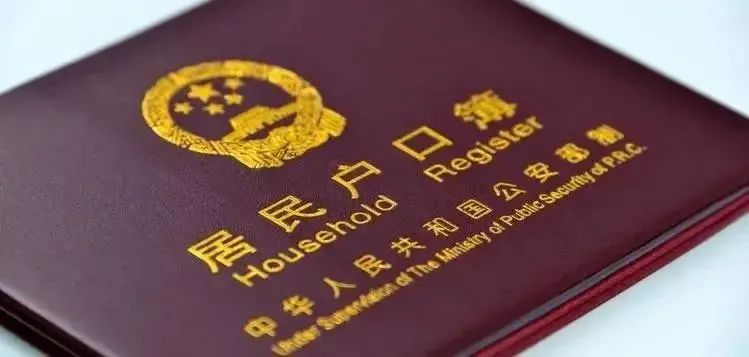
Register Household Registration: Present the child’s Travel Document, certified translated birth certificate, parents’ household registration book, marriage certificate, and other required documents to the local public security bureau at the parents’ registered domicile to complete household registration.
Obtaining Residence Permit: If entering on a Q1 visa, apply for a long-term residence permit at the local immigration office within the stipulated timeframe (typically within 30 days).
Healthcare Transition: Promptly contact a local community hospital or maternal and child health center to establish a child health record. Have the vaccination records from Kyrgyzstan translated and notarized to facilitate alignment with the subsequent vaccination schedule.
Conclusion
Bringing your baby home from Kyrgyzstan is a comprehensive test of patience, attention to detail, and specialized knowledge. Much like meticulously planning an important international voyage, thorough preparation before departure is the key to a safe arrival. When you board the flight home cradling your baby and holding all necessary documents, all your meticulous planning will translate into composure and peace of mind throughout the journey. This thoroughness is the first and most enduring gift you give your child in life.